

Understanding the psychological triggers that fuel gambling behavior
Understanding the psychological triggers that fuel gambling behavior
The Allure of Risk and Reward
The thrill of gambling is often rooted in the psychological balance between risk and reward. This tantalizing dance between potential loss and gain can be incredibly intoxicating. When individuals gamble, they often experience an adrenaline rush that elevates their mood, creating a sense of euphoria that is hard to replicate in other activities. The excitement of trying their luck can lead many to explore australia online casinos, as they seek opportunities for big wins and unforgettable experiences.
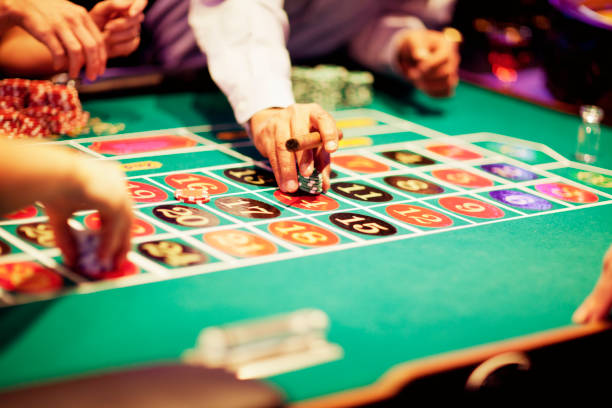
Furthermore, the unpredictability of outcomes plays a significant role in driving gambling behavior. The idea that a person could strike it rich at any moment fuels a sense of hope and anticipation. This psychological phenomenon is known as intermittent reinforcement, where occasional rewards maintain the excitement and engagement in the activity, making it difficult for individuals to walk away even after losses.
The Role of Cognitive Biases
Cognitive biases significantly impact how individuals perceive their chances of winning when gambling. One common bias is the illusion of control, where gamblers believe they can influence the outcome of random events. This can lead to overconfidence, causing individuals to gamble more than they can afford, mistakenly thinking they have a better chance of winning than they do.
Another prevalent cognitive bias is the gambler’s fallacy, where individuals believe that past events can influence future outcomes. For example, a person may think that if a number hasn’t come up in a while, it’s “due” to appear. These biases not only fuel gambling behavior but can also perpetuate a cycle of risk-taking and loss, making it challenging for individuals to recognize when to stop.
The Impact of Social Influences
Social factors play a critical role in shaping gambling behavior. Social environments that normalize or celebrate gambling can reinforce the activity as a common pastime. Peer pressure, particularly among younger individuals, can make gambling seem more appealing as they seek acceptance and camaraderie within their social circles.
Moreover, the influence of media and advertising cannot be overstated. Promotional campaigns often glamorize gambling, portraying it as an exciting, glamorous lifestyle. This portrayal can skew perceptions and make individuals more likely to engage in gambling without fully understanding the potential consequences.
The Emotional Underpinnings of Gambling
Gambling is often driven by emotional responses. Many people turn to gambling as a coping mechanism for stress, anxiety, or depression. The act of placing bets and the thrill of potential wins can provide a temporary escape from emotional turmoil, creating a cycle where individuals gamble to feel better but ultimately end up compounding their problems.
Emotions such as excitement, frustration, and fear of missing out (FOMO) can also push individuals toward gambling. The desire to avoid feelings of regret or loss often compels gamblers to continue playing, even when the odds are stacked against them. This emotional rollercoaster can lead to impulsive decisions, further entrenching individuals in unhealthy gambling habits.

Further Exploration of Gambling Behavior
To fully understand the complex psychology behind gambling, it’s essential to recognize the interplay of various triggers. By exploring the motivations and emotional states that fuel gambling behavior, individuals can gain insights into their habits and make informed decisions. A better understanding can also foster discussions about responsible gambling practices and promote healthier attitudes toward risk-taking.
As more people become aware of these psychological triggers, resources and support systems can be developed to assist those affected by gambling behaviors. Whether through educational content, community outreach, or professional help, there is a growing commitment to address the psychological aspects of gambling and promote healthier lifestyles.