

Top 5 health benefits of lentils
Dried lentils keep for one year in a tightly sealed container in a dark, dry, cool location. After cooking, lentils will keep for one week in the refrigerator or up to three months in the freezer. Store dry yellow lentils in an airtight container in a cool, dry place for up to a year. Cooked lentils can be refrigerated in an airtight container for 4-5 days or frozen for up to 6 months. Lentils with your meal can increase satiety, leading you to eat less and reducing body weight and waist circumference.
Nutritional compositions of lentils in 100 g of the edible portion [7]. With one purchase I have the ingredients for a whole week together, thanks to the shopping list. Organic Products India is an organization that specializes in manufacturing and exporting a variety of organic food products like seeds, spices, grains, dry fruits, and pulses. Christopher called these “the golden crunchy things” and ate four in one sitting.
The Environmental Benefits
Yellow lentils are a robust source of nutrition, offering substantial benefits particularly in the arenas of heart health and digestive system support. Rich in fiber and protein, they stand as a cornerstone for a health-conscious diet. One cup of cooked lentils has around 748 milligrams (mg) of potassium, which is more than the amount found in most other legumes. This essential mineral is needed for maintaining the fluid and electrolyte balance in your body as well as being involved in muscle contractions. It also serves as a medium of transmitting messages from your nerves to the rest of the body (7). Looking at the nutrition facts, you can see that yellow lentils are a good source of fiber and plant-based protein.
Please note that the nutritional information is an estimate and may vary based on specific ingredients and portion sizes. My Nonna Maria’s kitchen, a chaotic symphony of simmering pots and lively chatter, was where I first encountered this humble yet deeply satisfying soup. Steam would curl around her face as she stirred the pot, the earthy scent of lentils mingling with the sweet perfume of tomatoes and the comforting hint of pasta. It wasn’t just a meal; it was a warm embrace, a taste of Sicilian sunshine on even the coldest of days. Even now, decades later, a bowl of this soup conjures that feeling of home. You may also have a lentil allergy, especially if other legumes such as chickpeas give you an allergic reaction.

Rich in Plant-Based Protein
This protein in lentils, commonly referred to as dal protein, is not only abundant but also of high quality, containing essential amino acids necessary for bodily functions. Whether consumed as a standalone dish or incorporated into various recipes, lentils offer a nutritious boost to any meal. Additionally, the protein in lentils is complemented by other beneficial nutrients such as fiber, vitamins, and minerals, further enhancing their nutritional value. As a result, lentils are a popular choice for individuals seeking to increase their protein intake while enjoying a delicious and versatile ingredient in their diet.
- Regular consumption of lentils can help improve bowel function and promote a healthy gut environment.
- Eaten with a whole grain, lentils work as the protein equivalent of meat, which is especially helpful if you eat a vegetarian or vegan diet.
- Yellow lentils are packed with protein, fiber, and a variety of vitamins and minerals.
- Yellow lentils and red lentils are nutritionally similar, both offering high protein and fiber content.
- Regular consumption of germinated lentils is beneficial for preventing and managing diabetes.
- The results also showed a reduced number of ovarian follicles, which is usually high for those with PCOS.
Yellow Lentils Nutrition Facts, Benefits, Recipes, And More
Yellow lentils are better for dishes requiring firmer consistency, while red lentils work well in soups and purees. Lentils are bursting with dietary fiber, aiding digestion and promoting a healthy gut. They can help regulate blood sugar levels and keep you feeling full for longer, making them a great choice for weight management.
Heart Health
These small legumes are rich in essential nutrients like B vitamins, magnesium, zinc, and potassium, offering an impressive range of health benefits. For this reason, many vegans and vegetarians use lentils to boost their protein intake. Rich in protein and fiber, lentils are also a nutrient-dense ingredient for gluten-free pasta. There are several types of lentils, each with its unique characteristics, textures, and flavors. The most common types include green, brown, red, yellow, and beluga (black) lentils. Among these, red and yellow lentils are often preferred for their mild flavor and split forms, which cook quickly and are easily incorporated into a variety of dishes.
Nutritional Overview of Lentils
These seeds, whether green, brown, red, or black lentils, have been a vital source of nutrition throughout history. These trendy legumes are much like reviews unimeal their brown counterparts but tend to retain their shape better, adding a delightful texture to your dishes. So, unless you have a condition that may be impacted by these nutrients (such as iron-deficiency anemia) you shouldn’t worry about them too much.
However, they may interfere with nutrient absorption by binding to proteins and forming complexes that are not easily broken down by digestive enzymes (6). Lentils are a good source of folate, which is needed to help maintain normal healthy neural tube development during pregnancy. In addition, folate may play a role in helping prevent cardiovascular disease by helping to break down homocysteine. Also, adequate intake of folate may have a positive effect on your mood by helping to reduce symptoms of depression and anxiety (6).
Split Yellow Lentil
Lentils are considered a top “functional food” due to their high nutritive value, polyphenols, minerals, fiber and other bioactive compounds. Yellow lentils are similar to red lentils in flavor but take slightly longer to cook, approximately minutes compared to minutes for red lentils. Both work well in soups and curries, but yellow lentils tend to hold their shape better when cooked. The choice between red and yellow lentils can also depend on the desired culinary outcome. Red lentils break down quickly during cooking, making them ideal for soups, stews, and sauces where a smooth texture is preferred.
Cooking Methods for Lentils
Overcooking is the primary culprit—they cook 50% faster than green lentils. Using a heavy pot prevents scorching, and adding salt after cooking (not before) maintains structural integrity. Canned versions retain 90% of protein and fiber but lose 25% of folate due to heat processing. For maximum nutrient retention, cook dry lentils from scratch—they cost 60% less per serving according to USDA market data. Eating more lentils may help people maintain a healthy weight or lose weight. Replacing energy-dense (or high-calorie) foods with legumes such as lentils can help people prevent or manage obesity and lose weight.
A Brief Introduction To Yellow Lentils
Store lentils in an air-tight container in your pantry or in another cool dark place. You can also cook lentils in big batches and use them for lunch or dinner throughout the week, as they will last for up to 5 days in your fridge (27). You can then place them in a pot, cover them with water and a pinch of salt, bring them to a boil, and let them simmer uncovered for 20–30 minutes (27). On the other hand, tannins are high in health-promoting antioxidants (24). Lentils are rich in polyphenols, a category of health-promoting phytochemicals (1).
Garnish with a drizzle of good quality olive oil, a sprinkle of freshly chopped parsley, and, if not vegan, freshly grated pecorino romano cheese. A crusty loaf of Italian bread is the perfect accompaniment for soaking up the flavorful broth. Our team of licensed nutritionists and dietitians strive to be objective, unbiased, honest and to present both sides of the argument. Lectins may also possess anticancer and antibacterial properties (21, 22).
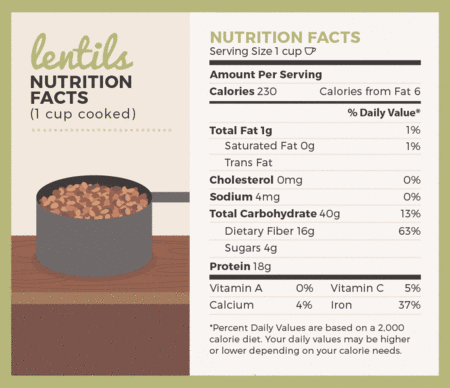
KEY TAKEAWAYS: 6 TYPES OF LENTILS
This reduces the need for synthetic fertilizers and can help promote soil health. Additionally, lentils have a lower carbon footprint compared to other protein sources such as meat and dairy products. Red lentils, in particular, are often grown in regions with low rainfall, making them a more drought-resistant crop.